Septic care • Dayton, Oregon
Septic System Services in Dayton, OR
Pumping, inspections, maintenance & repair
Slow drains, sewage odors, or an overdue pump-out? Start with help understanding what your system needs and which service to request.
N&M Plumbers helps connect homeowners with independent providers. Contact us about septic tank pumping, maintenance, inspections, and repair in Dayton, OR. Tell us about your property and the symptoms you are noticing.
Have your property address and last service date ready, if known.

Find the right service
Septic Tank Services in Dayton
A clogged line, accumulated solids, damaged component, or drainfield problem can produce similar symptoms. Identifying the cause helps determine the appropriate next step.
Drainfield Evaluation & Repair
Persistent wet spots, wastewater odors, or unusually green grass near the drainfield deserve attention. An evaluation can help distinguish a flow restriction from a problem with the field itself. Pumping does not repair a failing drainfield.
Hydro Jetting & Line Cleaning
Wastewater lines can become restricted by buildup or obstructions. Where suitable, pressurized water can clean the inside of a pipe. Pipe condition and the location of the blockage should guide the method; ask whether an inspection is needed first.
Septic Tank Pumping
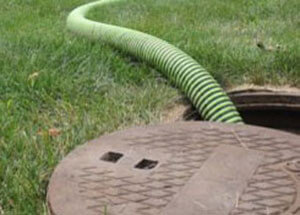
Pumping removes solids that collect in the tank and helps prevent them from reaching the drainfield. Share your tank’s approximate size, access conditions, and last pumping date when requesting an estimate.
Grease Trap Cleaning
Commercial kitchen grease traps collect fats, oils, grease, and food solids. Cleaning frequency should reflect the equipment’s capacity, actual buildup, kitchen usage, and applicable local requirements.
Septic Tank & Component Repair
A septic problem does not automatically mean the entire system needs replacing. Pipes, baffles, filters, pumps, or controls may need attention. Ask what caused the problem and what the proposed repair will address.
Preventive Maintenance
Plan maintenance around your system type, property usage, and service history. Keep inspection reports, pumping records, and repair details together so they are available for future visits.
Septic System Replacement
If repairs cannot adequately address the system’s condition, replacement may be necessary. Ask about the proposed scope, site evaluation, required approvals, and property access before work begins.
Septic System Inspections
Request an inspection to investigate a concern or better understand a system before buying a property. Explain its purpose when scheduling: a maintenance inspection and a real estate inspection may require different documentation.
Not sure which service you need?
Describe the symptoms, when they started, and whether more than one drain is affected.
Know when to call
Does Your Dayton Home Need Septic Service?
You do not need to diagnose the problem yourself. Have these warning signs checked:
- Several drains slowing down at the same time
- Recurring gurgling from toilets or drains
- Sewage odors inside or outside the property
- Wet or spongy ground near the tank or drainfield
- Wastewater backing up into the home
- A septic alarm activating
A practical homeowner guide
How to Care for Your Septic System
In a typical system, solids settle in the tank while liquid flows onward for treatment, commonly through a drainfield. Routine care helps protect both parts.
Plan pumping around your system’s needs
Many household septic tanks need pumping about every three to five years. Tank size, occupancy, water use, and solids accumulation affect the schedule. Systems with pumps or mechanical components may need more frequent inspections. If the last service date is unknown, arrange an evaluation.
Build better everyday habits
- Flush only human waste and toilet paper. Keep wipes, paper towels, and hygiene products out of the toilet.
- Keep grease, oil, paint, solvents, and other unsuitable waste out of drains.
- Repair leaks and spread laundry loads throughout the week to manage water use.
- Keep vehicles and heavy equipment off the drainfield.
- Direct roof runoff and other excess surface water away from the system.
- Use property records or professional help to locate components. Keep tank lids secured.
For more guidance, see EPA septic system care and Oregon DEQ onsite-septic resources.
Plan your next visit
Septic Tank Pumping Cost in Dayton, OR
Pumping prices depend on tank size, accessibility, condition, and the work required. Locating or uncovering access lids, additional compartments, and related repairs may affect the total.
For a more useful estimate, provide your property address, approximate tank size, last pumping date, access conditions, and any symptoms or alarms. Ask what the estimate includes and what could result in additional charges.
Local property information
Septic Records & Local Information for Dayton, Oregon
County & ZIP Code Information
Dayton is in Yamhill County. Local postal areas include 97114. These are geographic references; use the physical property address when requesting service.
A postal address alone does not establish whether a home uses septic or public sewer. Check property and utility records before booking a pump-out.
Other communities in this county group include Dundee, Sheridan, McMinnville. Confirm service availability separately for each address.
Find the onsite-septic office for your property
Oregon DEQ works with county agents on onsite-septic applications, permits, and inspections. Start with the official DEQ county contact directory to confirm which office handles your property.
Ask for the available permit, site evaluation, system drawing, and repair history. An older system may have an incomplete file; a missing online document is a reason to contact the office.
Before a service visit in Dayton
Gather the system’s drawing, last pumping date, tank size if known, and any inspection reports. Describe driveway access, gates, visible lids, and any alarm or backup. Ask what the visit includes and whether locating or uncovering access points costs extra.
Planning a purchase, repair, or remodel?
Review the septic records early and explain the purpose of the visit when scheduling. A pump-out, a condition inspection, and approval for a system change are different tasks. Use Oregon DEQ’s onsite wastewater resources and the relevant local office to identify the appropriate next step.
Map centered on Dayton for geographic reference; it does not mark a business office or establish service boundaries. Open the area in Google Maps.
Sources: DEQ county onsite-septic directory · Oregon postal-area reference
Common Septic Service Questions
Will pumping fix slow drains or a backup?
It depends on the cause. Pumping removes accumulated tank solids, but a blocked pipe, failed pump, or drainfield problem may require different work. Describe all symptoms when requesting service.
Does a full tank always mean it needs pumping?
A working septic tank normally contains liquid. The amount of accumulated sludge and scum helps determine when pumping is needed; a professional can assess that safely.
What if I do not know where my septic tank is?
Look for property records or an as-built plan, or request professional locating assistance. Do not remove lids or enter a tank yourself.
What should I ask before scheduling?
Confirm service availability for your address, the visit’s scope, estimate details, access needs, and any documentation required for your situation.
Where can I find septic records for a property in Dayton?
Use Oregon DEQ’s onsite-septic county directory to identify the office responsible for the property. Have the physical address and parcel details ready, and ask about available permits, drawings, site evaluations, and service history.
Your next step
Request Septic Service in Dayton
Planning maintenance or dealing with a new problem? Tell us what you are noticing and discuss the appropriate service for your property.
Related Dayton services: Plumbing Pipe Repair Dayton, OR | Burst Pipe Repair · Drain Cleaning Dayton, OR | Unclog Drain
Last updated